Local pollinators
Pollination: Why Our Local Pollinators Matter
What pollination really is, why native bees and honey bees work differently, and simple ways to make your yard welcoming to every local pollinator.
Mark Vanderende · October 29, 2026
WHAT POLLINATION IS
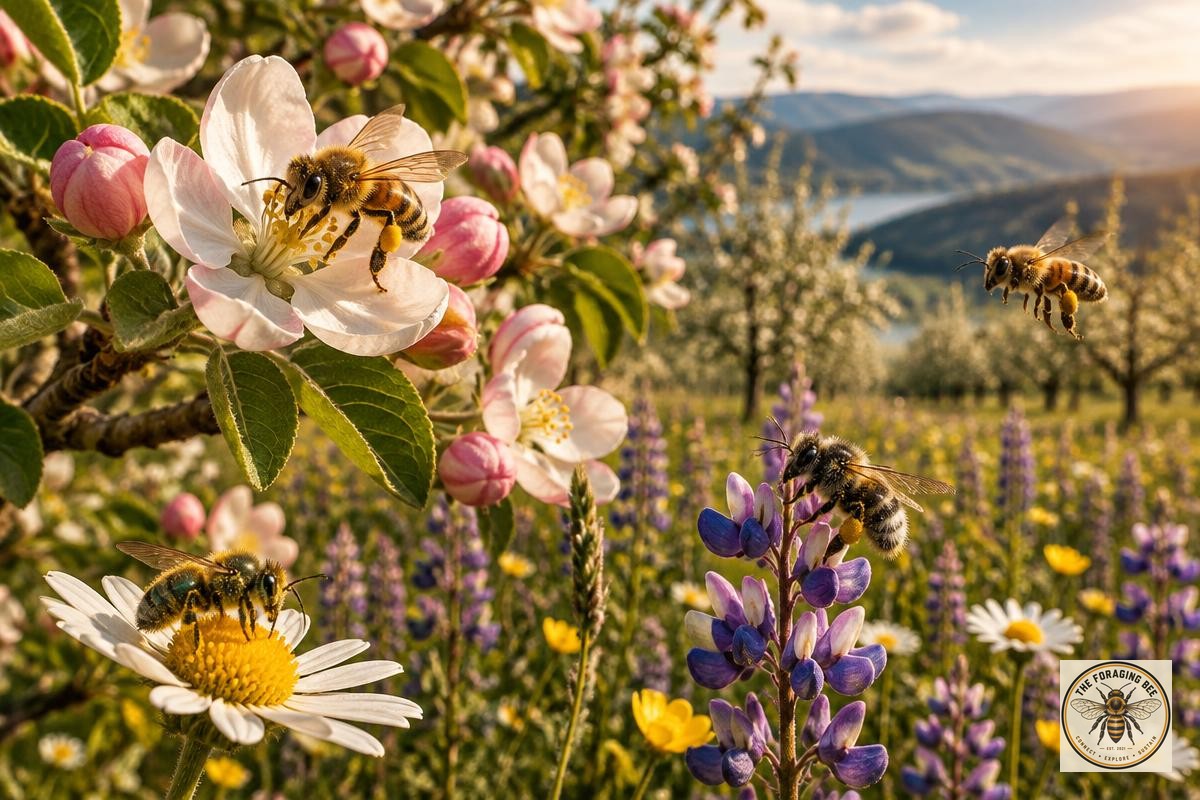
Pollination is the movement of pollen from the male part of a flower to the female part, allowing many plants to set seed and fruit. Wind pollinates some plants, but many fruits, berries, wildflowers and garden crops depend on animals—most of all, bees.
MANY BEES, MANY JOBS
British Columbia is home to hundreds of native bee species, alongside flies, butterflies, moths, beetles and hummingbirds that also move pollen. Native bees include bumble bees, mason bees, leafcutter bees, mining bees and sweat bees. Each has its own season, nest style and favourite flowers.
Bumble bees can 'buzz pollinate', shaking pollen loose from flowers such as blueberries and tomatoes. Mason bees carry pollen dry on the hairs under their abdomen, so it brushes easily onto the next blossom—one reason they are such effective early fruit-tree pollinators. Honey bees bring large numbers and long seasons. No single bee does everything; together they cover the landscape.
HONEY BEES AND NATIVE BEES TOGETHER
As a honey beekeeper, I care about every pollinator, not just my own hives. Healthy forage, clean water and fewer pesticides help all of them. Responsible beekeeping means keeping colony numbers in step with local forage so honey bees add to the landscape rather than crowding out the native bees that were here first. That is Harmony in the 4H Way.
HOW YOU CAN HELP
Plant a sequence of bloom from early spring to autumn, using native plants where you can. Leave some bare, undisturbed ground for ground-nesting bees, and some hollow stems and dead wood for cavity nesters. Provide a shallow water source with landing stones. Avoid pesticides, especially on flowering plants. Delay the autumn tidy-up so overwintering insects stay safe.
WATCH AND LEARN
Spend ten quiet minutes beside a flowering plant. Count how many different visitors you see, not just how many bees. Children love this, and it builds the same observation skills a beekeeper uses at the hive entrance.
FIELD NOTE
Note the date, the flower, the weather and the visitors you saw. Over a season, your notes become a living map of local pollination—and a reason to plant one more flower next spring.
Sources and boundaries
Guidance on native bees, habitat and reducing pesticide harm.