The Foraging Bee master sealThe Foraging BeeConnect • Explore • Sustain
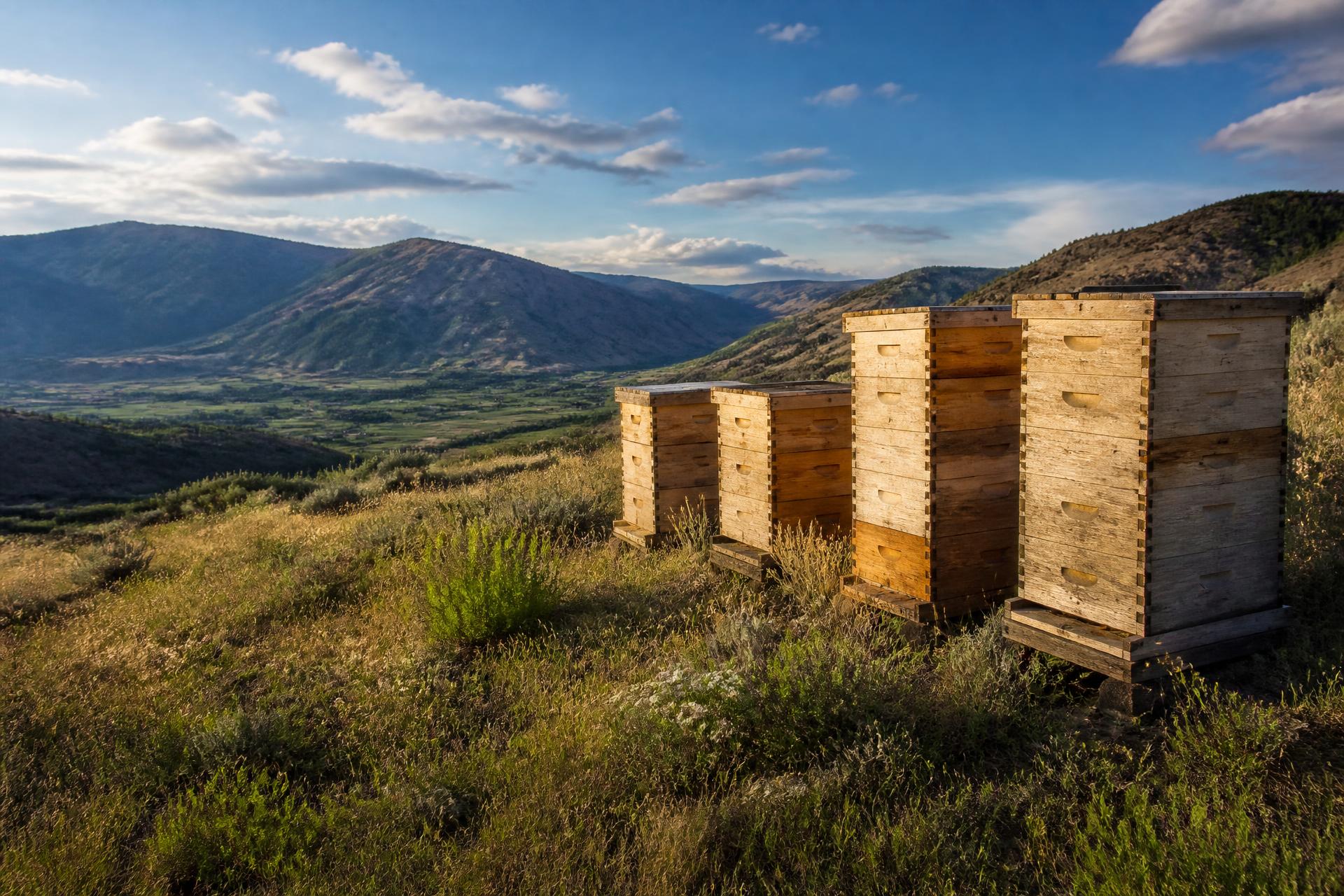
Illustrative view of a beekeeping yard in the British Columbia landscape

The Foraging Bee / Princeton & North Delta

Adopt a Hive

Name a hive. Follow its story. Share the honey.

Families and businesses both pay one clear price. You get the honey, the story and a year with your hive. The bees get everything they need first. The community gets the Honey Wagon, youth sports and search and rescue support.

Proposed for 2027. You join between January and March and pick up your honey in October. Places are limited each year. Joining the list today is free — Mark follows up personally with a simple contract, and payment is by cash or e-transfer. Download the brochure (PDF) · Printable sign-up sheet · Land for Bees sheet.

Included with every adoption

One value. Every adopter.

A named colony may be requeened or combined with another if it needs help — the story stays honest. Your twelve jars are guaranteed either way: the honey is insured, and if your hive is ever lost or has a lean year, your share is made good from the yard's harvest. That is Mark's commitment to every adopter — and his confidence in the 3H method and closed-loop apiaries.

Two prices. That's it.

The Family Hive

$300 a year

Everything a family needs: twelve jars of raw honey each October — guaranteed, even if your hive is lost — a certificate of adoption, your hive's name painted on the box, a family day to paint your hive together, quarterly updates, and invitations to Sunday in the Hives.

Choose The Family Hive

Business Adopt-a-Hive

From $1,000

Everything a family adoption includes, plus a package built around your team: staff days in the hives, employee perks, a business plaque and mini-jar gifts. Tell us your team size and interests — Mark sends a custom quote.

Choose Business Adopt-a-Hive

Your year with the hive

Six simple steps.

You pay between January and March. The honey comes in October. In between, you hear from your hive four times a year and can visit on scheduled Sundays.

January – March

You join

You sign up, Mark sends a simple contract, and you pay by cash or e-transfer. Then you choose the name painted on your hive box.

Spring

First update

A photo and a short note: how your hive came through the winter — and your family paint day to decorate your hive box.

Summer

Second update

How the hive is growing, what's in bloom, and how the yard is doing.

Fall

Third update

Harvest news — and your invitation to Community Honey Day.

October

Your honey

You pick up your twelve jars. The bees keep everything they need for winter first.

Winter

Fourth update

A wrap-up note on how your hive is settling in for the cold months — and a first look at next year's plan.

The promise

The bees come first. Always.

Your jars come only from what the bees can spare after they have stored everything they need for winter, stayed healthy and come back strong in spring. And your twelve jars are guaranteed: the honey is insured, and a lost hive or lean season is made good from the yard's harvest. The simple contract you sign before paying spells all of this out.

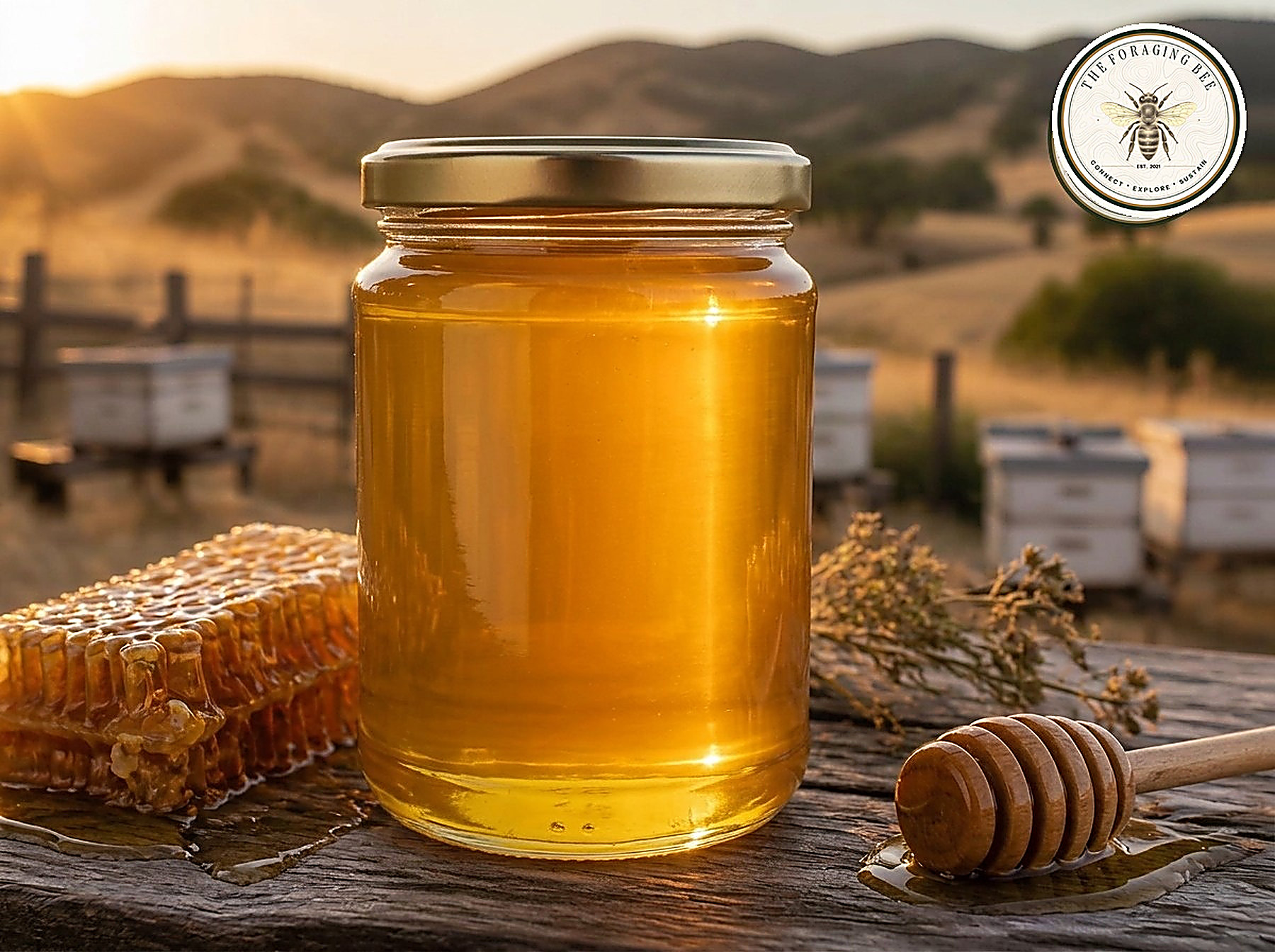
Bare-glass honey jar beside the hive harvest, shown as an illustrative product image

HAPPY · HEALTHY · HEAVY

Natural beekeeping, the 3H way

No chemicals, no shortcuts. Strong bees and full winter stores come before the harvest — bees that thrive make good honey. That is the standard every adopted hive is kept to.

Read how the natural 3H approach keeps hives healthy

A separate community day

Community Honey Day.

Once a year, the yard opens for the whole community — tasting, kids' activities and a thank-you to the people who make the giving possible. It stands on its own; you don't have to adopt a hive to come.

Your invite: adopters are on the VIP list — personal invitations and first chances to take part.

For everyone: family activities, tasting and a look at what the community support builds.

See Community Honey Day and RSVP

Land for Bees

Have land? Let's put bees on it.

The Foraging Bee is actively looking for good land in the Princeton area and North Delta — sunny, sheltered spots for teaching apiaries, hands-on workshops and pollinator habitat. If you have a field corner, orchard edge or fence line, Mark would love to walk it with you.

As a Land Partner, Mark sets up and manages the hives — you do no bee work at all. In return, the hosted hive's entire surplus — every jar above what the bees need for winter — belongs to you, with quarterly updates as your land's story unfolds.

Access, water, neighbours, insurance and a simple written agreement are worked out together before a single hive arrives.

You give: a sunny, sheltered spot with reasonable access — a field corner, orchard edge or fence line.

The land gets: managed pollinators for gardens, orchards and wild forage, plus pesticide-free habitat.

You receive: your named hive's whole surplus harvest, quarterly updates and first invitation to visit your bees with Mark.

Teaching land: some sites may host Sunday in the Hives visits, school days or workshops — only ever with your agreement first.

A poor season could yield no share from that hive; any same-yard substitution would be agreed with you before the season.
Land Partner application

Could your land host bees?

Tell Mark about your site, how he would reach it and what habitat is there now. This starts a conversation and a site review; it is not an agreement to place hives.

Your address and site details are visible only to the Hive Desk team. Please do not include gate codes or other security details here.

Your details are used only to review this potential site and respond to you.

Where the support goes

The Honey Wagon.

Adoptions help fund a branded travelling trailer that brings beekeeping to schools, markets and community events — teaching, tasting and (once approved) honey extraction on site.

Youth sports and school programs — hands-on bee days for kids and teams.

Princeton Ground Search and Rescue — our intended first giving partner. We will confirm the partnership in writing before we promise any amount.

Every adoption supports the Wagon, youth programs and local giving. We report actual giving after launch.

Questions families ask

Good to know.

What is the 3H way of keeping bees?

Happy, Healthy, Heavy. Mark keeps bees naturally — no chemicals, no shortcuts. Strong bees and full winter stores always come before the harvest. Bees that thrive make good honey, and your jars come only from what the bees can spare.

Do we really get to paint our hive?

Yes. Every family adoption includes a family day in the hives where the kids help paint and decorate your hive box. Your hive's name goes on it, and it becomes a real place your family can point to and visit on scheduled Sundays.

What happens on Community Honey Day?

One golden day each year the yard opens to the whole community: honey tastings, live bee demonstrations and hands-on fun for the kids. Adopters are on the VIP list — personal invitations and first chances to take part. It's a separate community event; you don't have to adopt to come.

Is it safe for kids around the hives?

Visits are scheduled, small and guided by Mark. Everyone follows simple yard rules, and kids watch from a comfortable distance unless they're suited up. The family paint day is built for children.

When do we get our honey?

You join between January and March and pick up your twelve 500 ml jars in October. The bees keep everything they need for winter first — and your twelve jars are guaranteed either way. The honey is insured, and if your hive is lost or has a lean year, your share is made good from the yard's harvest.

How do we sign up and pay?

Join the free interest list and Mark follows up personally with a simple contract. Payment is by cash or e-transfer — no online checkout. Places are limited each year, so the list is first come, first served.

What does our adoption support?

Every adoption helps grow the Honey Wagon — a travelling trailer bringing beekeeping to schools, markets and community events — plus youth sports and local search and rescue giving.

Start here

Put your name on the list.

Tell Mark whether you're a family or a business. Enrollment runs January to March, honey arrives in October, and places are limited each year. After you sign up, Mark sends a simple contract and payment options — cash or e-transfer. No payment today.

Prefer paper? Print the sign-up sheet and hand it to Mark at a market, workshop or Sunday in the Hives.

Offering land? Use the land application instead.

We use your details to respond to this program inquiry.

Businesses: build your package.

Every business adoption starts at $1,000 and grows from there — based on your employee count and what your team would love. Staff hive days, employee mini-jars and salves, a plaque at the yard, and a Community Honey Day presence are all on the menu. Ask on the form and Mark will put a custom quote together.