The Foraging Bee master sealThe Foraging BeeConnect · Explore · Sustain
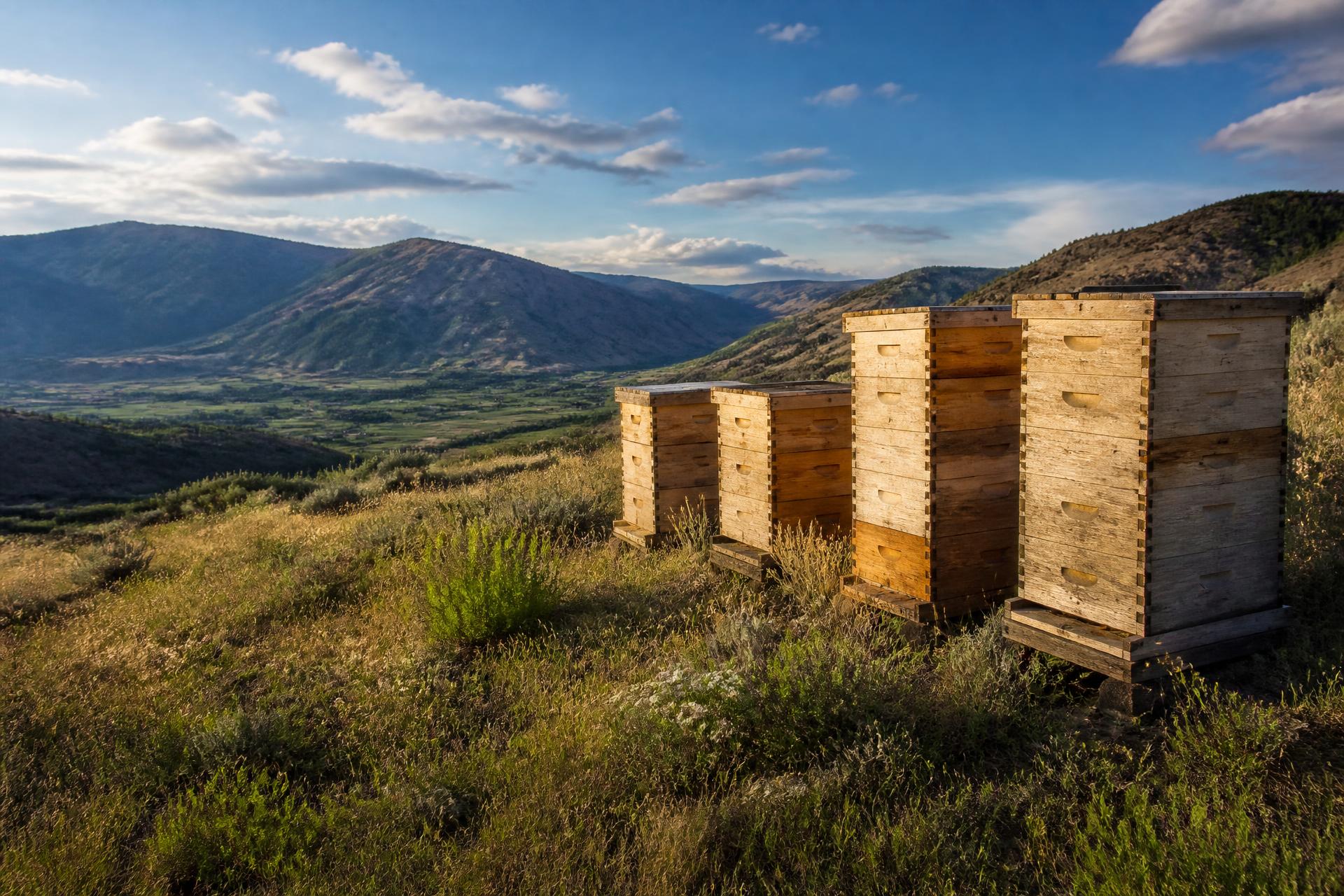
Reclaimed-wood hives standing in dry grass below the Similkameen ridgelines near Princeton, British Columbia

Master Beekeeper Mark Vanderende

Natural Beekeeping the 3H Way

Strict, nature-aligned, treatment-free apiculture. No synthetic miticides, no antibiotics, no syrup crutches — local survivor stock, natural comb, an intact propolis envelope and the fewest interventions a colony can be given.

Learn it in the yard

The position

We do not treat our way out of bad genetics.

Most of modern beekeeping is a rescue operation: synthetic miticides to hold down a parasite, antibiotics to hold off a disease, and sugar syrup to replace the honey that was taken. Each one works. Each one also removes the pressure that would have told us which colonies deserved to be bred from.

The 3H Way runs the other direction. We select hard, we intervene rarely, and we let the colony keep the things it built for its own defence — its comb, its propolis envelope, its stores. The result is slower to establish and honest about its losses, and the bees that come out the far side of it belong here.

This is the standard behind every hive at the Princeton–Similkameen yard and at Rain Bird Farms in North Delta, and behind every jar and tin that leaves them.

The 3H Protocol

Happy. Healthy. Heavy.

Three questions, asked of every colony, every season. If a management decision does not move one of them forward, we do not make it.

Happy

Low stress, low intervention, natural behaviour

A happy colony is one we have left alone enough to be itself. Bees build, cluster, ventilate, swarm-prepare and defend on their own schedule. Our job is to create the conditions and then stay out of the way.

  • Open a hive only when the answer would change what we do
  • Quiet hands, minimal smoke, boxes back the way the bees built them
  • Space and forage before stimulation — never a colony managed for our convenience
  • Temperament read as data, not as a nuisance to be requeened away in haste
Healthy

Zero synthetic chemicals. Genetics and biology instead.

No hard miticides, no synthetic treatments, no antibiotics — ever. Health comes from local survivor stock, natural cell sizes and the propolis envelope the bees build as their own immune system.

  • Local survivor genetics, selected in Princeton and Delta weather
  • Natural cell size from foundationless comb the bees draw themselves
  • Propolis envelope preserved — rough-surfaced boxes, no scraping it clean
  • Mechanical mite pressure: splits, brood breaks, drone management
  • A colony that cannot hold its own is not rescued with chemistry — it is not bred from

Heavy

Into winter on their own honey, not sugar

A hive goes into a Similkameen or Delta winter heavy with high-integrity honey the colony made and kept. Sugar syrup is a commercial crutch that trades bee health for a harvest number, and we do not take it.

  • Harvest is what is left over after the bees are provisioned — never before
  • Autumn hefting and honest weight targets before the first hard frost
  • Natural stores carry the nutrition, enzymes and pollen sugar never will
  • A light colony is combined, not syrup-fed into a false sense of survival

The LISTEN Principle

How — and how often — we touch a hive.

LISTEN is the discipline that keeps a treatment-free apiary from being managed to death with good intentions. Six rules, in order, every visit.

  1. Leave the brood nest uninterrupted

    The brood nest is the colony's furnace and nursery. Every frame pulled costs heat, scent and comb integrity. Read the outer frames, the entrance and the weight — and only enter the nest when nothing else can answer the question.

  2. Integrate natural comb & foundationless architecture

    Let the bees draw their own comb. Foundationless frames give natural cell sizes, honest drone proportions and comb the colony built to its own plan rather than to a milled sheet of wax.

  3. Select for local survivor genetics

    Breed from what lives through a real winter here. Resilience is bred, never bought and never rescued with chemistry. Queens come from the yards that produced them.

  4. Trust the propolis envelope

    Propolis is the colony's social immune system. Rough interior surfaces, no scraping it clean, no treating it as mess — a well-varnished hive is a healthy hive.

  5. Embrace mechanical management

    Splits, brood breaks, drone-comb removal and honest combining do the work miticides are sold for. Interrupt the mite's cycle with the calendar and the hive tool, not a strip.

  6. Notice, observe, and do nothing when in doubt

    Most of beekeeping is watching. If you are unsure, close the lid, write the note and come back. Nature is usually further ahead of you than the intervention you were about to make.

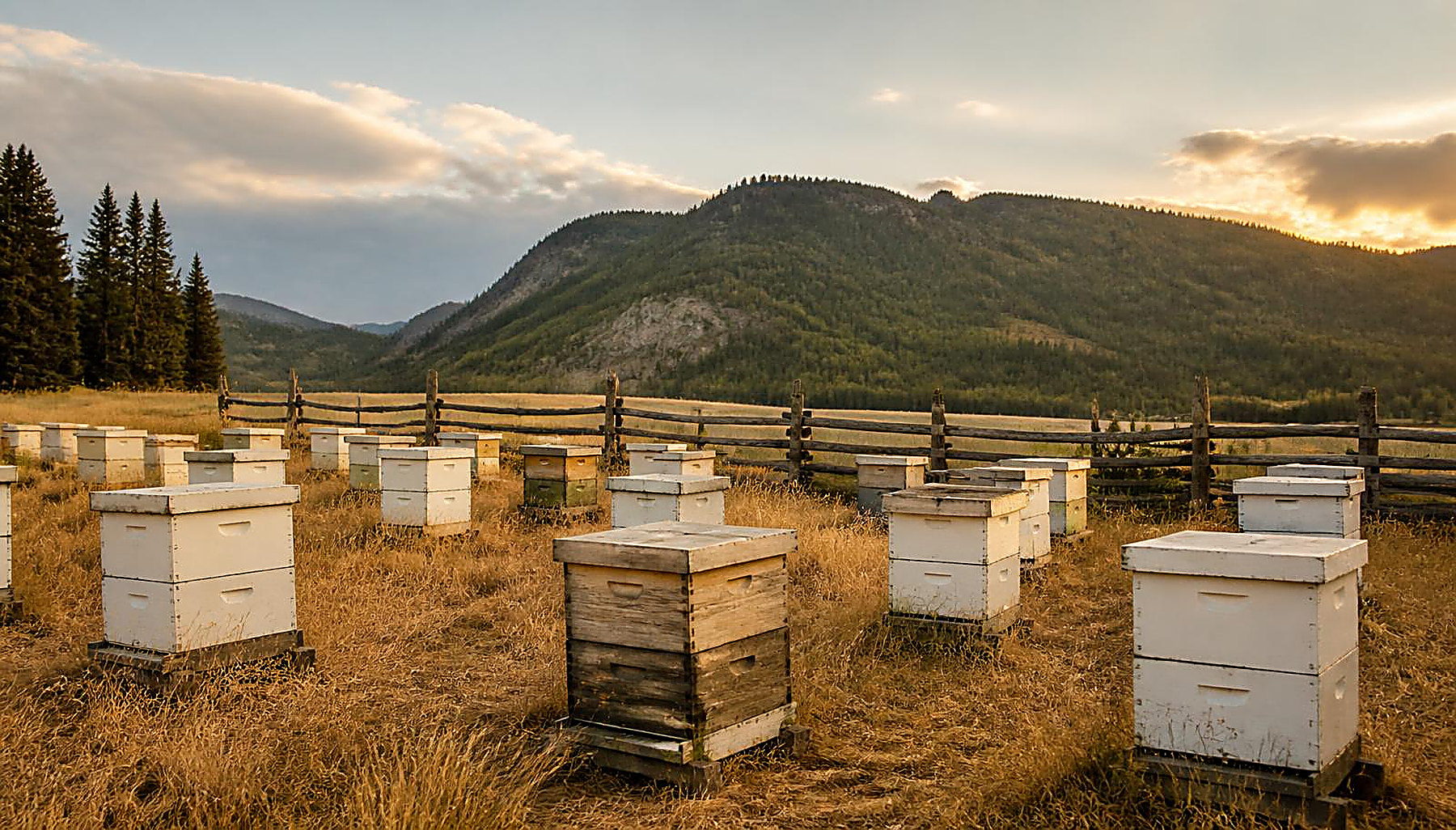
Rows of hives in a rustic cattle-field apiary below Princeton mountain ridges at golden hour

Learn it properly

Four modules, taught in the yard.

The HIVE Awakening masterclass teaches the 3H Way in order — foundations, LISTEN, natural comb and biological mite control, then cold-climate wintering.

  1. 1The Foundations of 3H BeekeepingHappy · Healthy · Heavy
  2. 2The LISTEN PrincipleMastering minimal-invasive apiary management
  3. 3Natural Comb & Biological Varroa ControlFoundationless building, splits and local survivor stock
  4. 4Cold-Climate WinterizationProvisioning, top ventilation and tar paper wind/solar management
See the curriculum