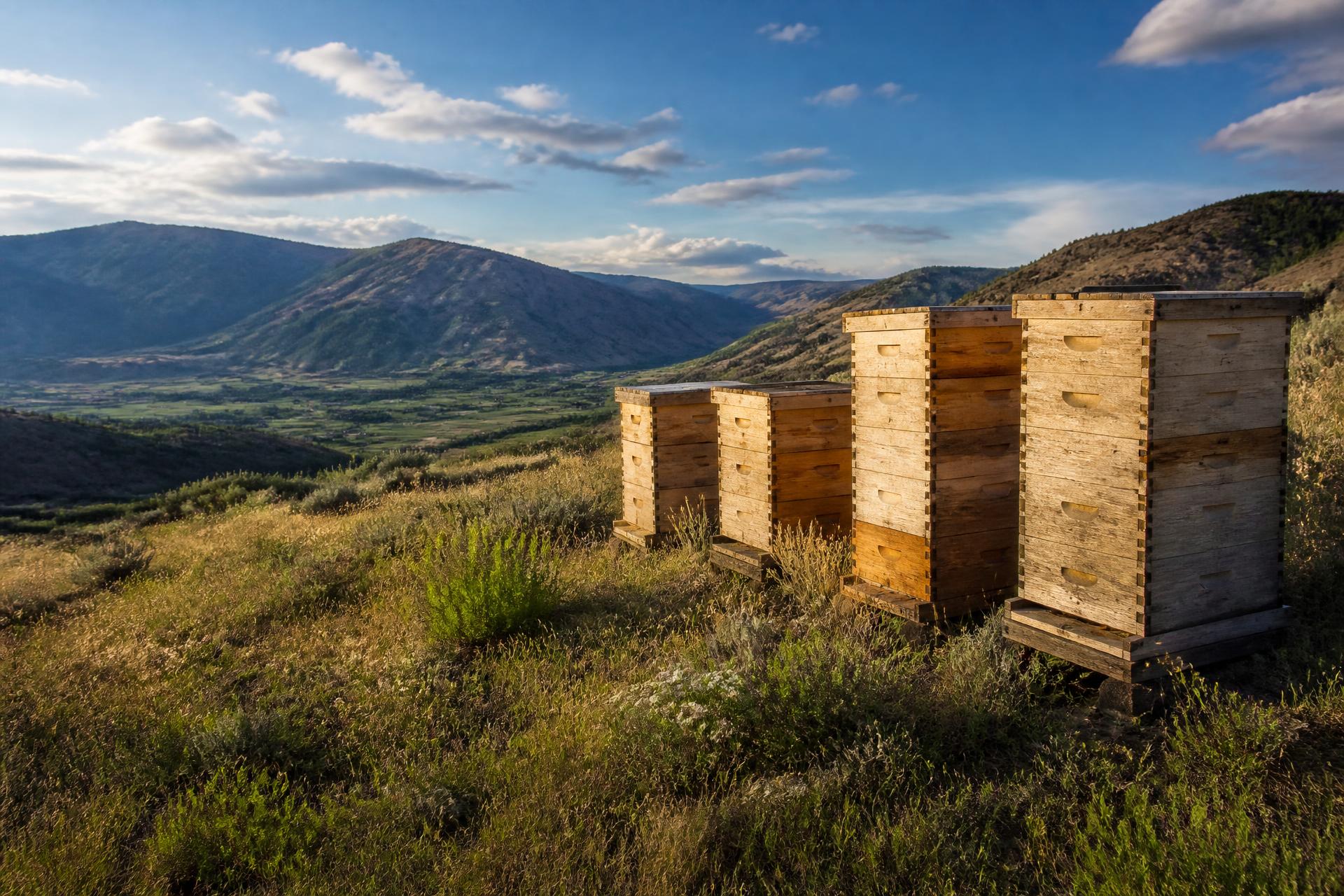
Apiary 01 · Interior BC
Princeton–Similkameen Valley
Dry benches above the Similkameen River, where sage, alfalfa and wild clover define a honey rooted in the valley’s season and terrain.
Princeton–Similkameen · Rain Bird Farms, Delta
Two distinct landscapes. One closed-loop pursuit of resilient bees and remarkable raw honey.
Master Beekeeper Mark Vanderende raises thriving colonies in the dry Princeton highlands and the fertile landscape of his childhood home in Delta.
Two apiaries · Two expressions of place
Every harvest begins with strong, resilient honeybees. Our closed-loop apiary management keeps the focus on locally adapted colonies, thoughtful stewardship and healthy yards. Only then do the bees thank us with exceptional wild-crafted raw honey.
Apiary 01 · Interior BC
Dry benches above the Similkameen River, where sage, alfalfa and wild clover define a honey rooted in the valley’s season and terrain.
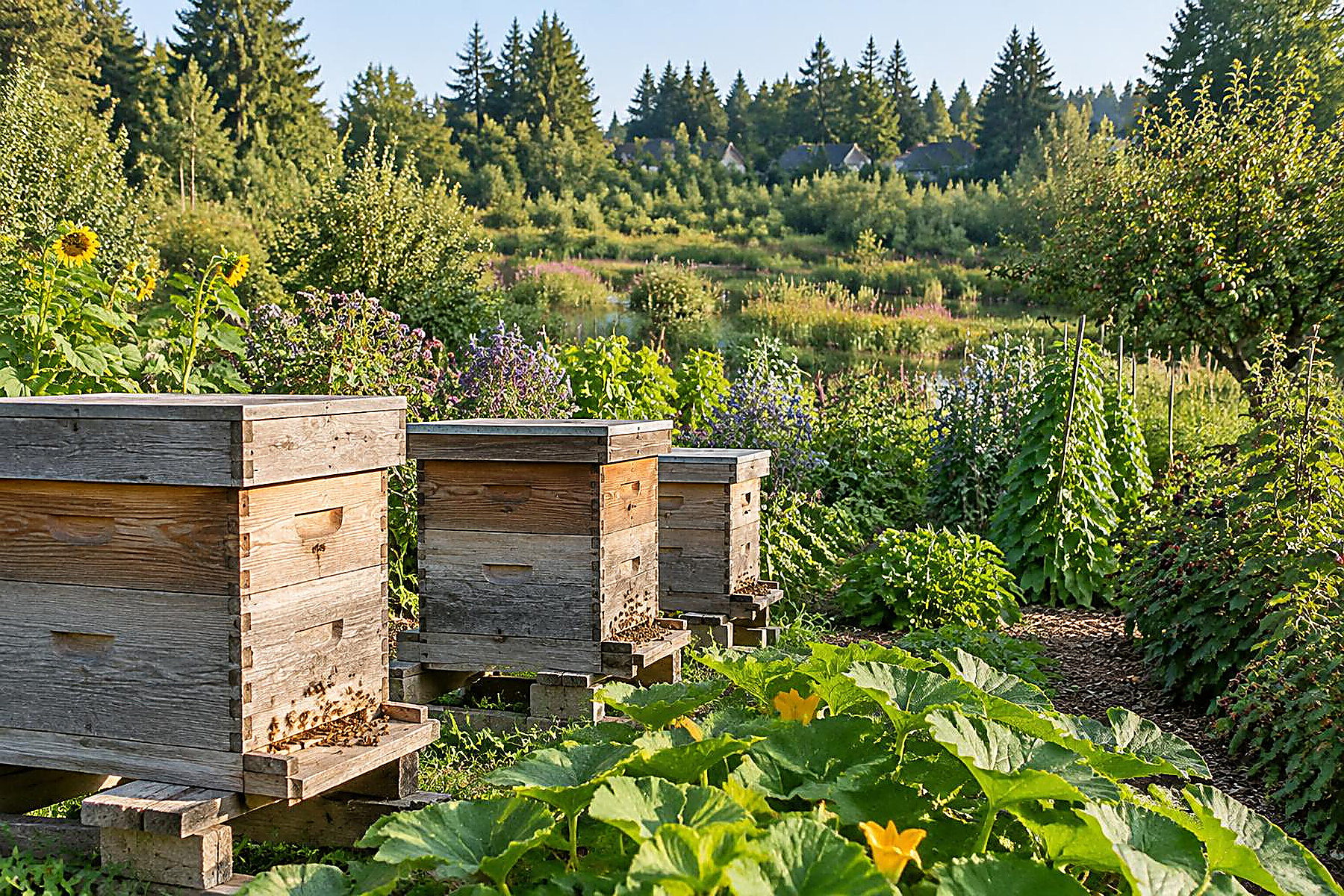
Apiary 02 · Coastal BC
For more than a decade, Mark has kept bees where he grew up—among fruit, vegetables, lush farm flora, nearby Burns Bog and suburban gardens. The rich, varied forage supports thriving bees and a distinctly different honey harvest.
One beekeeper. Two distinct ecosystems. Honey that carries the honest character of each place.
Master Beekeeper Mark Vanderende
Strict, nature-aligned, treatment-free apiculture. No synthetic miticides, no antibiotics, no syrup crutches — local survivor stock, natural comb, an intact propolis envelope and the fewest interventions a colony can be given.
Low stress, low intervention, natural behaviour
A happy colony is one we have left alone enough to be itself. Bees build, cluster, ventilate, swarm-prepare and defend on their own schedule. Our job is to create the conditions and then stay out of the way.
Zero synthetic chemicals. Genetics and biology instead.
No hard miticides, no synthetic treatments, no antibiotics — ever. Health comes from local survivor stock, natural cell sizes and the propolis envelope the bees build as their own immune system.
Into winter on their own honey, not sugar
A hive goes into a Similkameen or Delta winter heavy with high-integrity honey the colony made and kept. Sugar syrup is a commercial crutch that trades bee health for a harvest number, and we do not take it.
Thirty years at the hive entrance. Every jar and tin is traceable to a yard, a bloom and a season in the Similkameen.
Field-tested topicals built for ridgelines, river crossings and cold camps — not bathroom shelves.
Live hive rescues, wasp management and native pollinator advocacy for our Mason and bumble bee neighbours.
Why our jars are bare
Our honey travels a short distance — hand to hand, here at home. A printed label tells a stranger what is in the jar. We would rather tell you ourselves: which yard it came from, what was blooming, how the colony wintered, and why this pull tastes different from the last one.
So the glass stays clear. You see the honey exactly as the bees left it — raw, unfiltered, its own colour. The only mark we use is our seal: a pencil-drawn worker bee, Est. 2021, Connect • Explore • Sustain. It appears on our photographs, our paperwork and our lids — never as a sticker pretending to be a story.
Local customers become family. Every jar comes with a conversation, a harvest note and a standing invitation to ask anything about the hives it came from.
Reserve honey from this season →Word of Mouth
Every jar, salve and workshop is personal — and the kindest thing a customer can do is say so. Read what people are saying about The Foraging Bee. Reviews help neighbours in Princeton, the Similkameen and Delta find honest, local honey.
The Maker
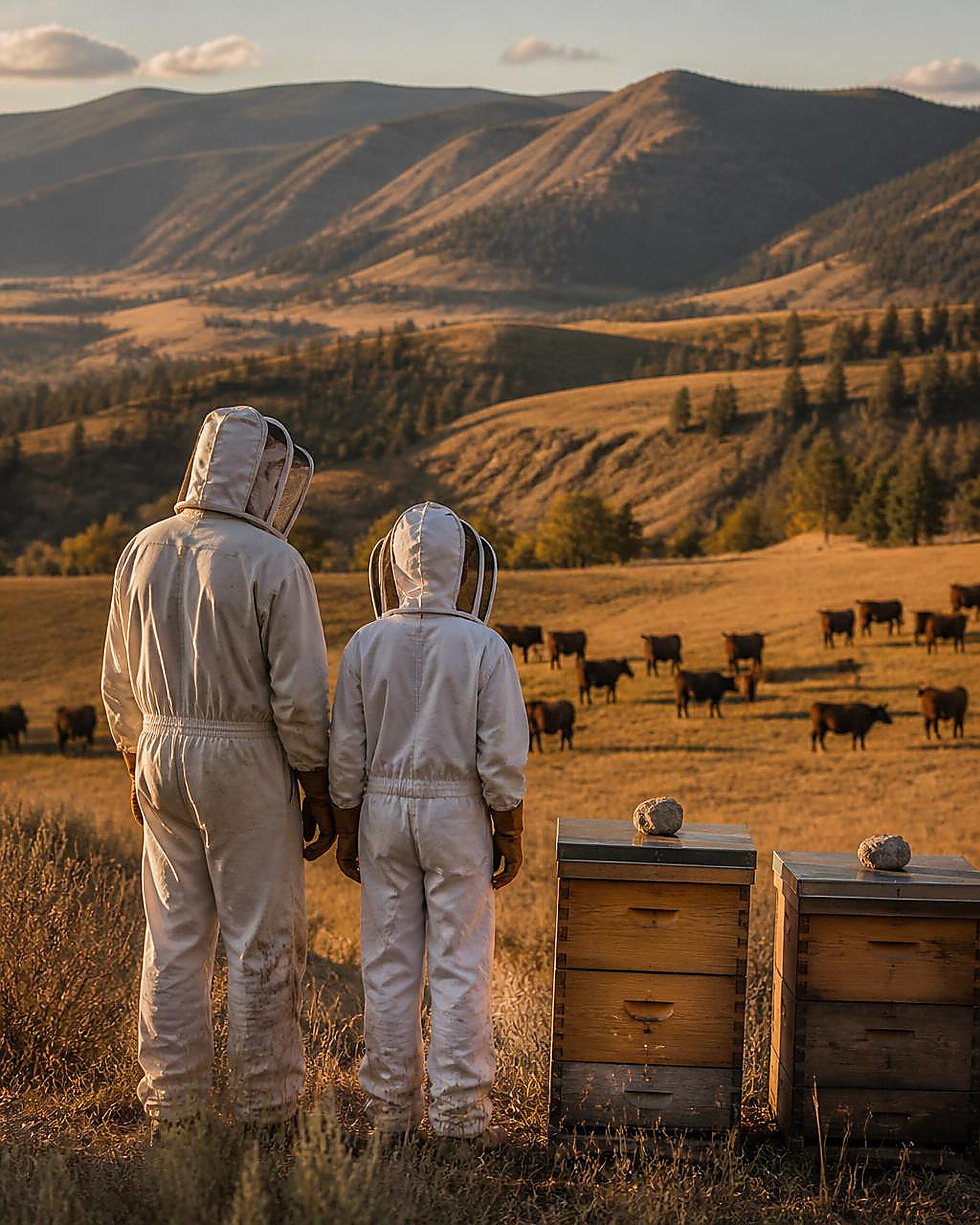
Mark Vanderende keeps bees on the dry benches above the Similkameen River, where sage, alfalfa and wild clover set the character of every harvest. His standard is simple and unforgiving: colonies must be Happy, Healthy and Heavy before a single frame is pulled.
These days there is a second pair of hands in the yard. Mentoring the next generation of beekeepers is the heart of the work — because the hive teaches patience, stillness and joy to anyone willing to stand beside it. The rule we teach first and last: Have fun with your bees.
Our advocacy work →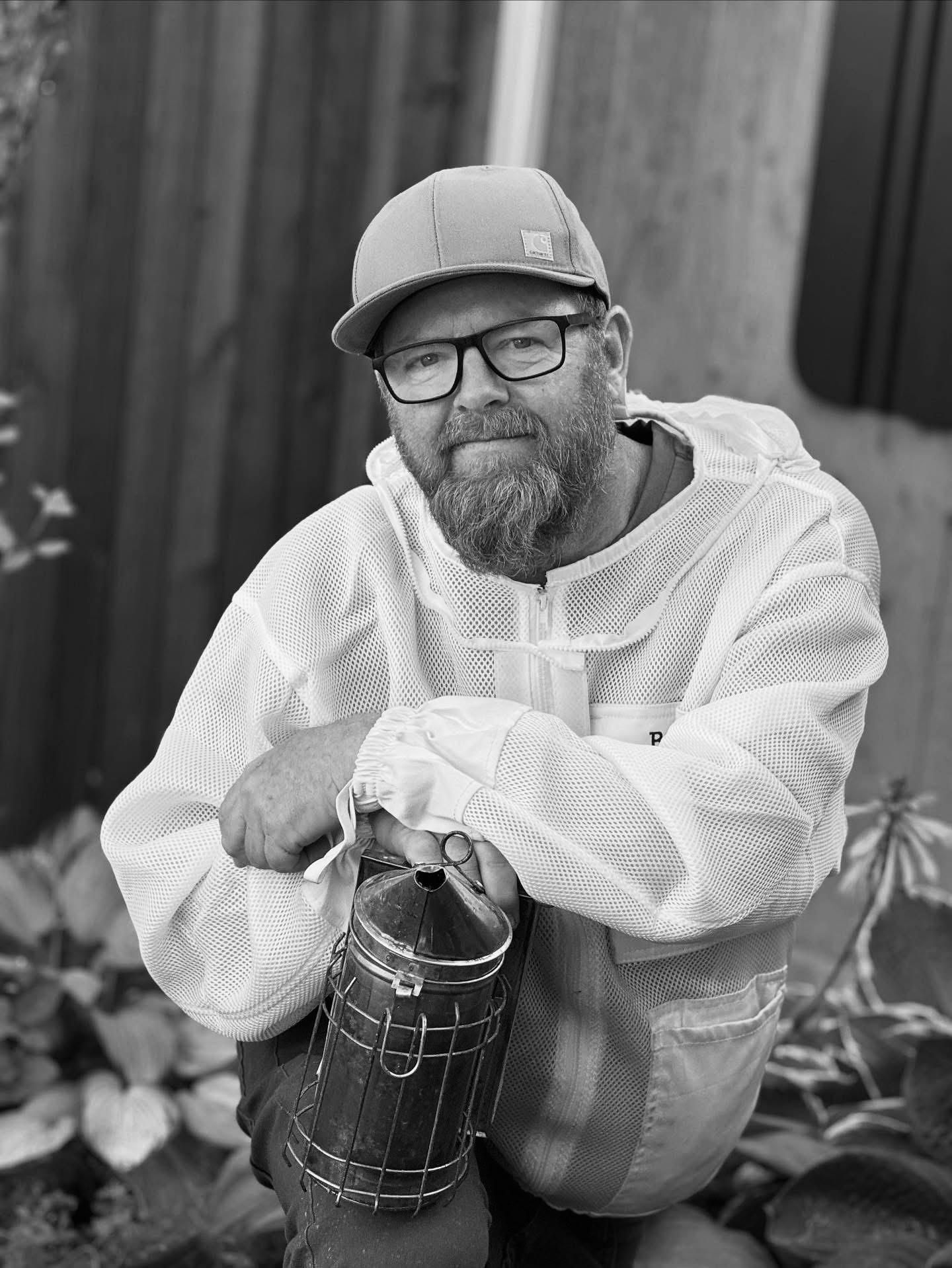
Keynote Speaking
From catastrophic rookie fails to a thriving Similkameen apiary, Mark tells the story of thirty seasons at the hive entrance with laughter, wit and hard-won honesty. An engaging keynote for schools, clubs, corporate teams and trade shows — audiences of every age leave ready to have fun with their bees.
Have Fun with Your Bees — why joy is a management strategy
From Brood Nest to Boardroom — leadership lessons from the superorganism
Big Fails, Big Successes — a beekeeper's confessional
The 3H Standard — Happy, Healthy, Heavy in hives and teams
Never Buy Bees Again — Buckfast Abbey, Michael Palmer and the closed-loop apiary
Mentoring the Next Generation of Beekeepers
Reading a Valley — climate, forage and resilience
The Boutique Lineup
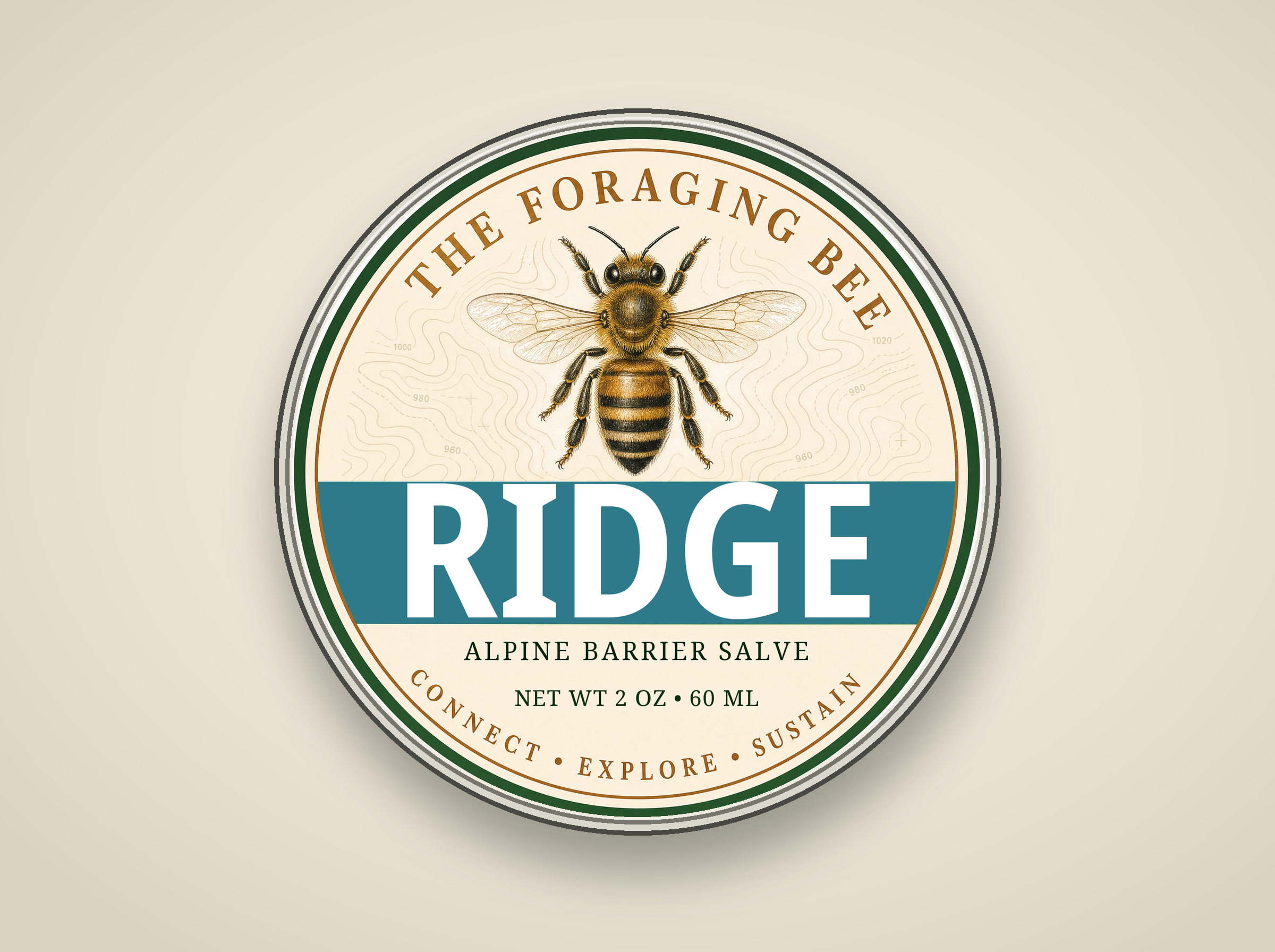
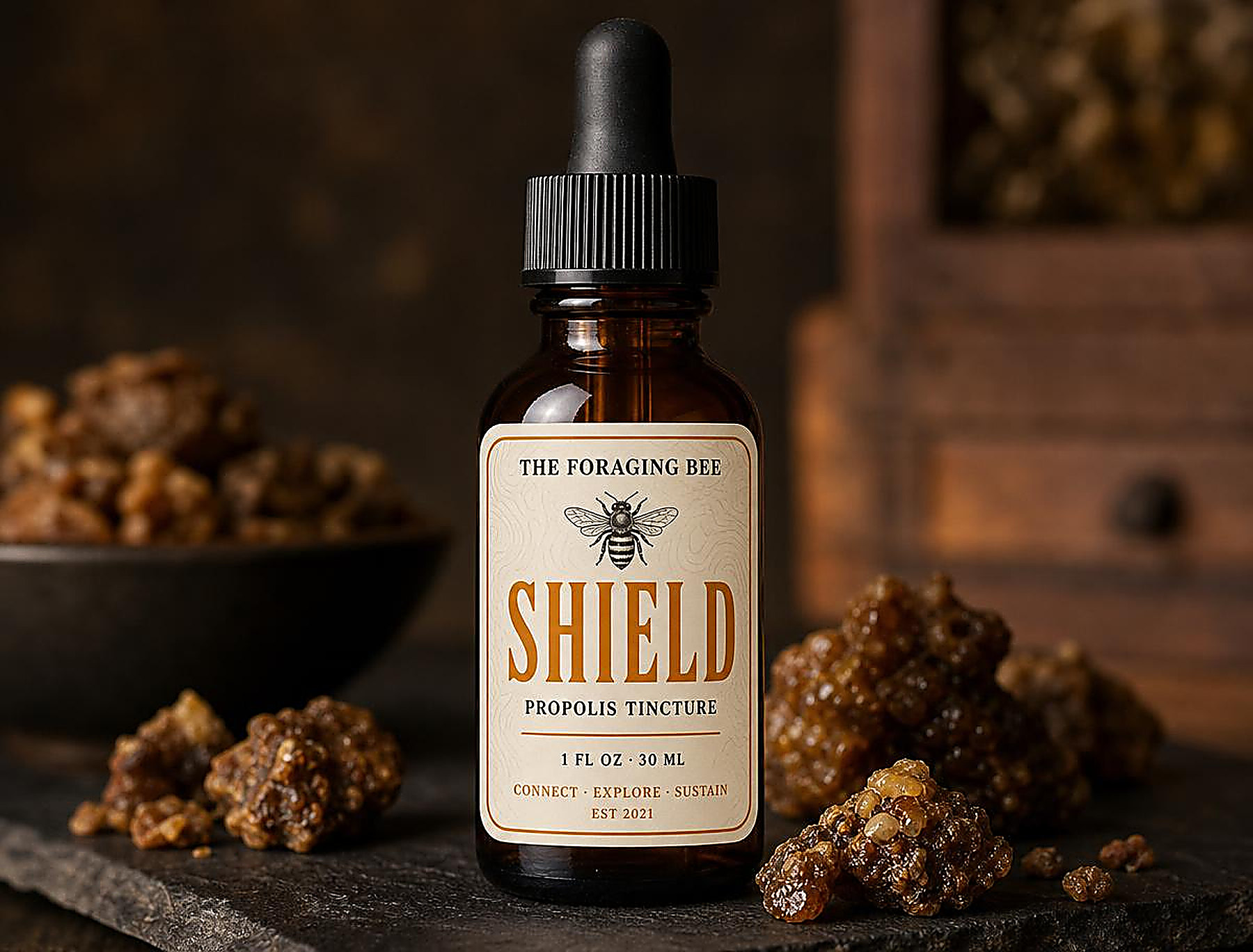
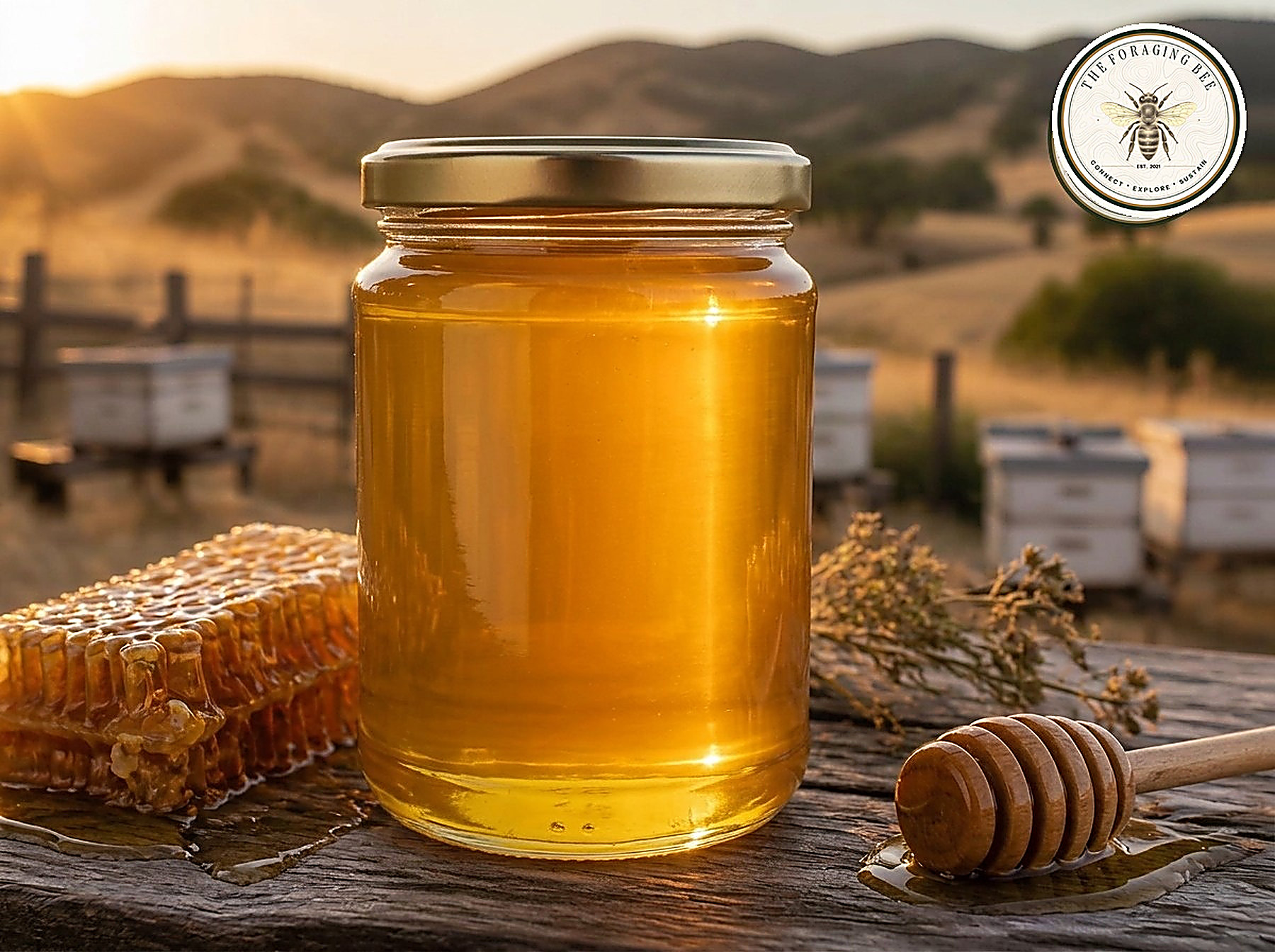
Honey Gold
Raw Craft Honey
Unpasteurized, unfiltered, single-apiary honey pulled from the Similkameen bench. Alfalfa, knapweed and wild clover — a jar that tastes of one valley in one season.
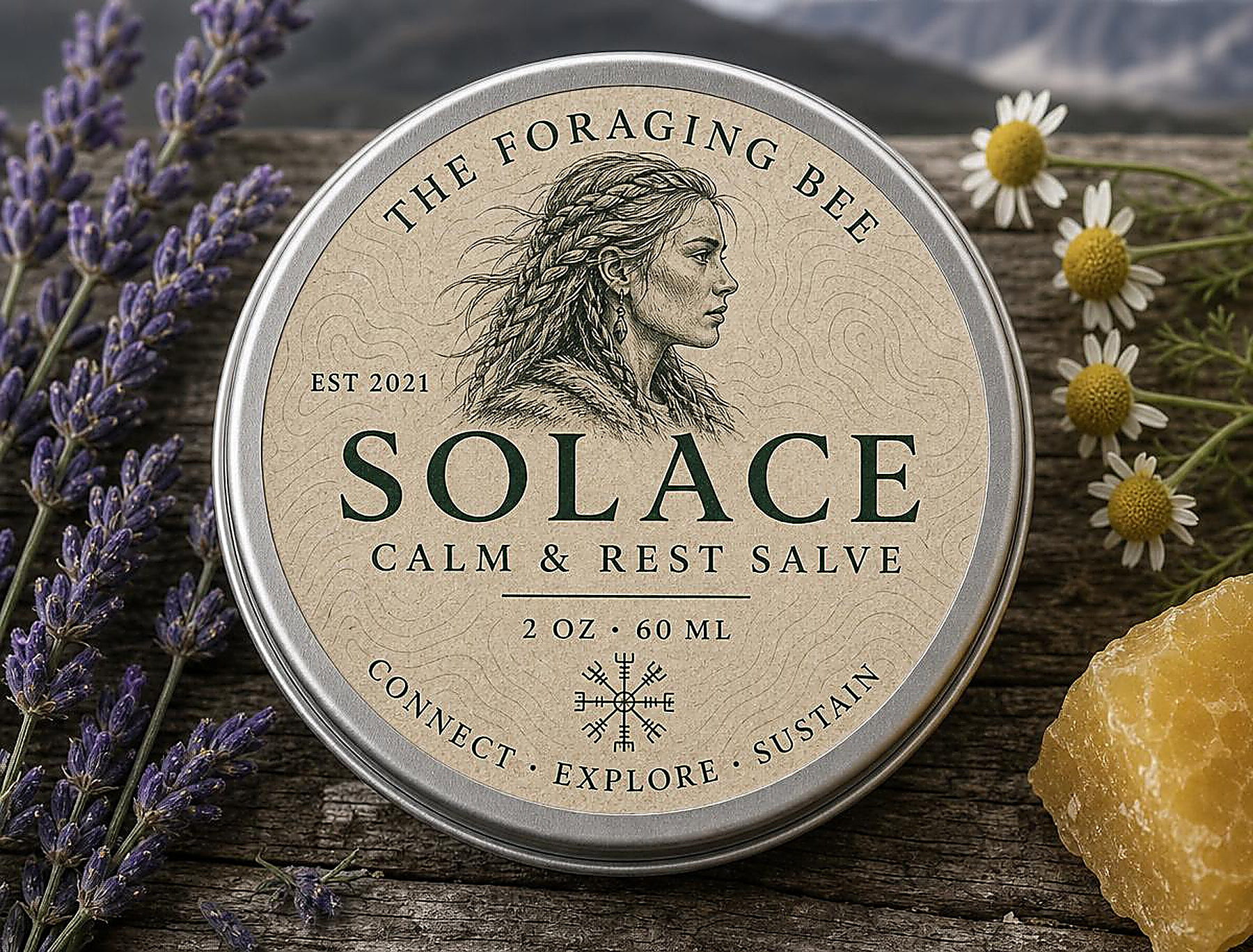
SOLACE — For Her
SOLACE is named for what the highlands give you after the weather breaks — stillness you can feel in your shoulders. Lavender and chamomile folded into grass-fed tallow with sea buckthorn for overnight repair, carrying the wayfinder portrait and the Vegvísir compass, the old Icelandic mark for never losing your way in storm. The one tin of our women's line that earned its place alone.
Highland Forest
Calm & Rest Salve
Our one salve poured for her — the evening tin. SOLACE folds lavender, chamomile and sea buckthorn into our grass-fed tallow base for the hour the boots come off: temples, wrists, collarbones and the dry hands that did the day's work.
From the Valley Floor to the Hive