Family Tier 1
12 × 500 ml jars
$200 a year
500 ml per jar · October handoff
Twelve jars to share with family and friends.
You’re giving: Keeps one colony cared for the natural 4H way and helps fund youth bee lessons.
Ask about Tier 1
The Foraging Bee / A limited annual program
Family tiers $200 · $250 · $350 / yearChoose jars or buckets · same family experience
Your 2027 honey, with a story behind it.
Adopting a hive is how families reserve next season’s honey. You pay what the honey alone would cost — the season with your bees, and the good it does, come free.
Limited family hives. Sign up now through March 2027. Have Fun with your Bees!
A few local hives each year. Come learn with your family, help the bees and share the small-batch honey they can spare. Explore the brochure (PDF) · Printable sign-up sheet · Fillable family agreement · Simple program plan · Land for Bees sheet.
Why adopt a hive?
Happy. Healthy. Heavy. Harmony. Mark's natural 4H approach puts strong colonies and full winter stores ahead of the harvest, without routine chemical treatments. That's the care your adoption stands behind.
Bring the kids to the yard. Paint your hive box, meet the honeybees and find out how local wild pollinators live. Learn together, have fun and take home a generous share of honey from a bee-first season.
A few hives. A wider impact.
Keeping places limited makes every adoption personal. The program helps grow the Honey Wagon for school visits and youth learning. There are also ways to help wild pollinators at home, once you have met the hive.
Explore natural beekeeping the 4H wayLearn together
A place in the story
Your chosen honey share is guaranteed, even if your hive is lost or the season is lean. The bees always keep what they need first; Mark makes up your share from the yard's harvest.
An exclusive family season
Name and paint your hive, keep a certificate and follow four photo updates through the season. One two-hour guided family visit with your bees is included in every adoption, for up to two adults and two children. Book with Mark; Sundays are welcome by arrangement. Every tier helps the bees and supports youth learning. Limited annual hives keep it personal; choose the honey your family will enjoy.
Family Tier 1
$200 a year
500 ml per jar · October handoff
Twelve jars to share with family and friends.
You’re giving: Keeps one colony cared for the natural 4H way and helps fund youth bee lessons.
Ask about Tier 1Family Tier 2
$250 a year
12 kg total · October handoff
A full kilo in every jar for a honey-loving household.
You’re giving: Supports treatment-free colonies and pollinator planting around the yard.
Ask about Tier 2Family Tier 3
$350 a year
18 kg total · October handoff
Generous buckets for baking, preserving and sharing.
You’re giving: Helps grow the Honey Wagon and habitat for native pollinators.
Ask about Tier 3The bees keep their winter stores first. Your selected share is guaranteed even if your named hive is lost or has a lean year.
For businesses
Custom partnerships from $1,000, separate from family shares.
A win for everyone
All 2026 honey is sold out, and there’s no separate pre-order for 2027. Adopting is the way to reserve your honey — same price as the jars, plus everything below.
Your chosen honey share in October, guaranteed — plus a named hive, hive painting, one two-hour family bee visit and four photo updates.
Natural 4H care with no routine chemical treatments, and full winter stores before any honey is shared.
Support for wildflower habitat and Land for Bees sites where wild bees thrive alongside the hives.
Help growing the Honey Wagon for school visits and youth bee lessons across the valley.
Land for Bees
The Foraging Bee is actively looking for good land in the Princeton area and North Delta — sunny, sheltered spots for teaching apiaries, hands-on workshops and pollinator habitat. If you have a field corner, orchard edge or fence line, Mark would love to walk it with you.
As a Land Partner, Mark sets up and manages the hives — you do no bee work at all. In return, the hosted hive's entire surplus — every jar above what the bees need for winter — belongs to you, with quarterly updates as your land's story unfolds.
Some sites may also make room for pollinator habitat and family-friendly teaching days. Tell Mark what you'd enjoy seeing on your land.
You give: a sunny, sheltered spot with reasonable access — a field corner, orchard edge or fence line.
The land gets: managed pollinators for gardens, orchards and wild forage, plus pesticide-free habitat.
You receive: your named hive's whole surplus harvest, quarterly updates and first invitation to visit your bees with Mark.
Teaching land: some sites may host Sunday in the Hives visits, school days or workshops — only ever with your agreement first.
A poor season could yield no share from that hive; any same-yard substitution would be discussed with you.
Land Partner application
Tell Mark about your site, how he would reach it and what habitat is there now. This starts a conversation and a site review; it is not an agreement to place hives.
Your address and site details are visible only to the Hive Desk team. Please do not include gate codes or other security details here.
Your year with the hive
A year with the bees is never the same twice. Follow the yard in four personal updates, book your included family bee visit with Mark and share the harvest in October.
Ask about a limited family hive and start dreaming up a name together.
Your first photo note shows how the bees came through winter. Families can join Mark to paint their hive box.
See what's flowering, how the colony is growing and where the bees are foraging. Book your included two-hour family visit with Mark; Sundays are welcome by arrangement.
Hear how the season turned out and how the hives are settling into winter.
Collect the guaranteed honey share from your chosen family tier. The bees' winter stores always come first.
Your fourth update follows the colony into winter and looks ahead to another season.
The promise
Healthy bees and full winter stores come before the harvest. That's why the honey is small-batch. Your chosen honey share is still guaranteed: if your hive is lost or the season is lean, Mark makes up your share from the yard's harvest.
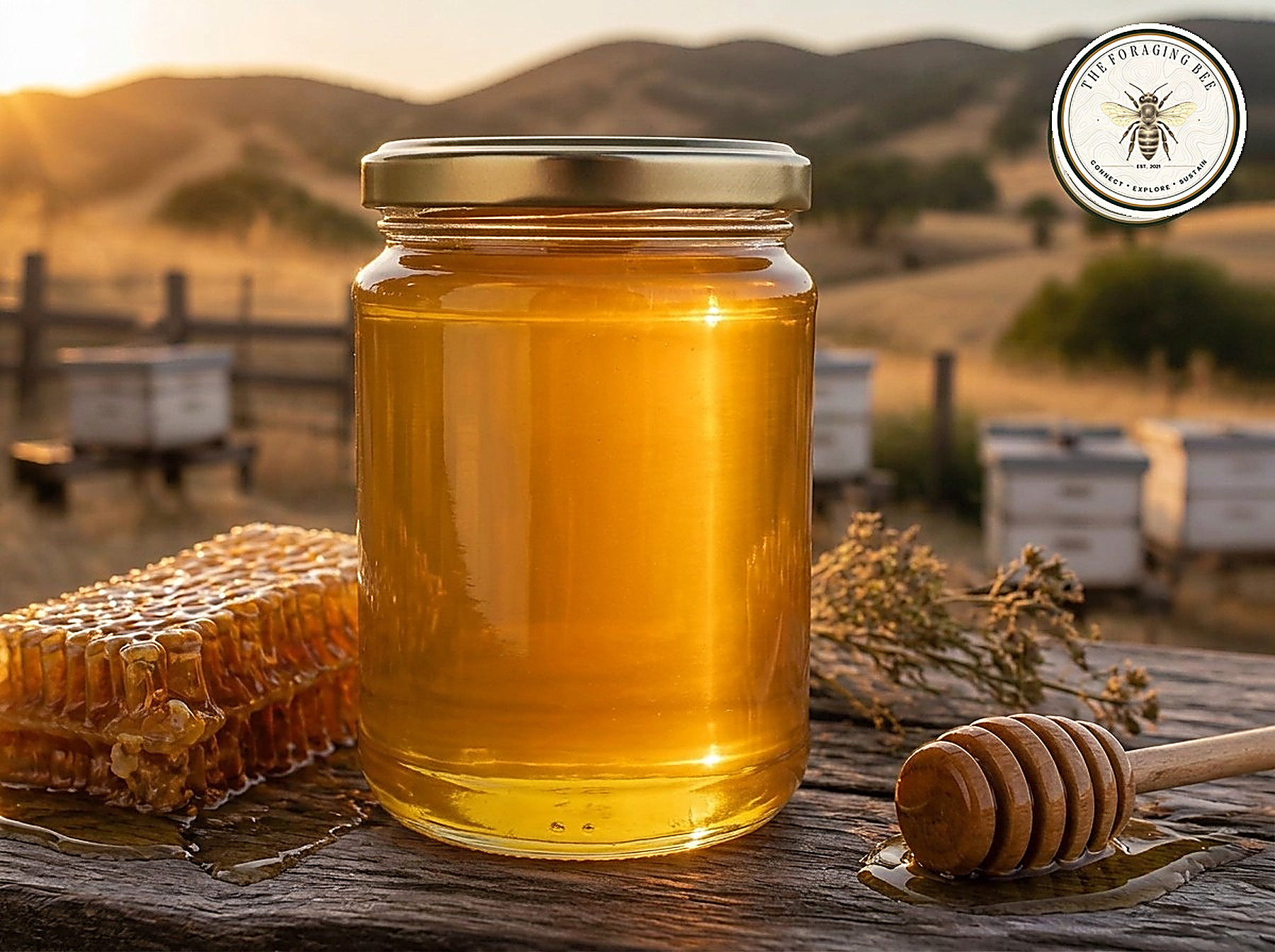
HAPPY · HEALTHY · HEAVY
Natural beekeeping, the 4H way
No chemicals, no shortcuts. Strong bees and full winter stores come before the harvest — bees that thrive make good honey. That is the standard every adopted hive is kept to.
Read how the natural 4H approach keeps hives healthyThe wider circle
Your adoption helps grow the Honey Wagon: a travelling home for bee stories, school visits, youth learning and community gatherings. Our Land for Bees effort also looks for places where honeybees can be responsibly kept alongside habitat for native pollinators.
Young people — bringing the wonder of bees to schools and supporting youth sports.
Local giving — Princeton Ground Search and Rescue is an intended partner, not yet confirmed. No donation amount is promised.
The Honey Wagon is being developed; trailer services depend on the required approvals.
Beyond the hive
After you meet the honeybees, you can choose an additional way to help local wild pollinators at home, at school or at work. Ask Mark about a garden plan, a mason-bee hut or, where suitable, spring cocoons. These are optional projects, not part of the family hive package.
Mason bees do not make honey. Their reward is watching local flowers and fruit trees come alive — and giving the next generation of wild bees somewhere to begin.
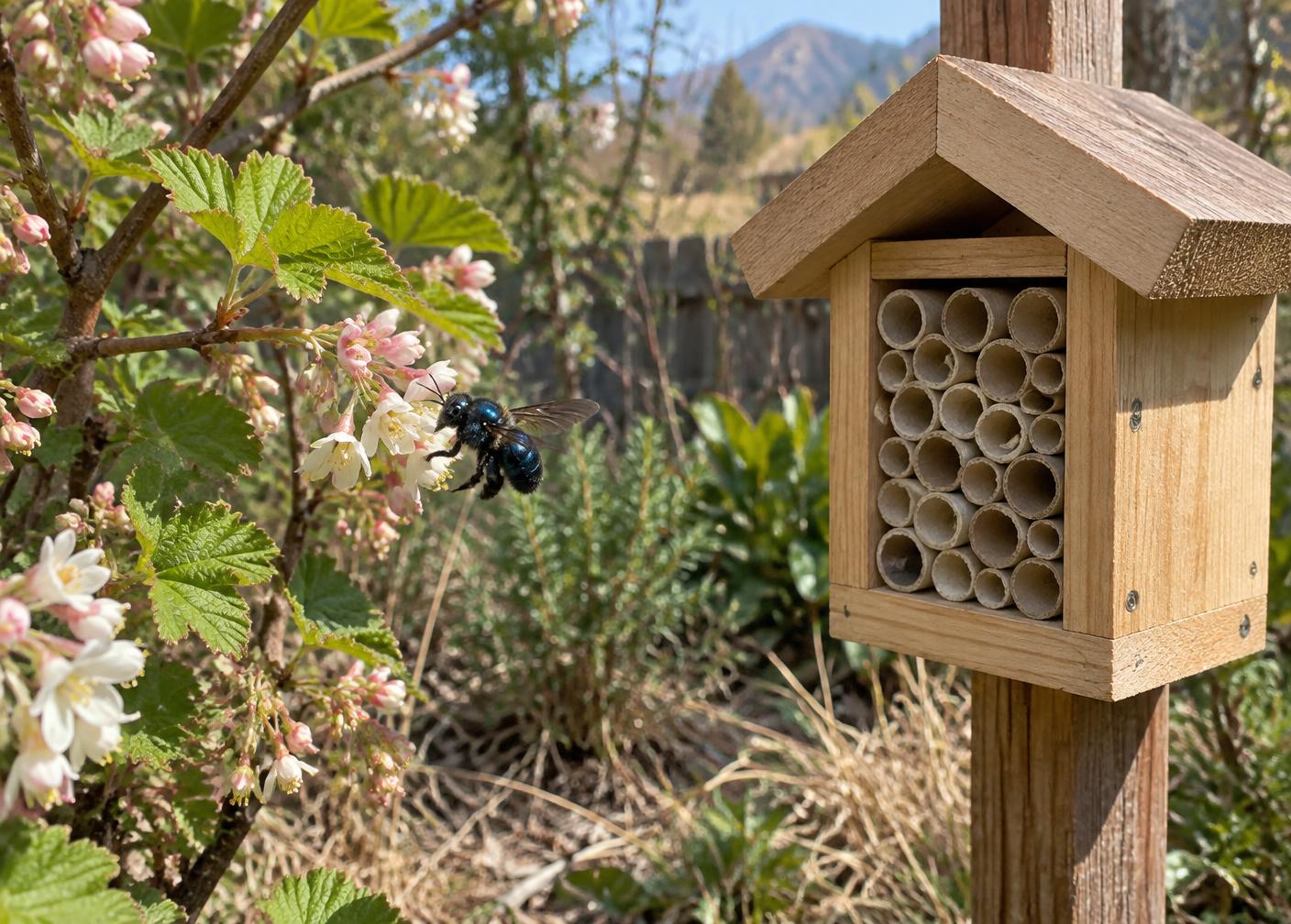
Ask Mark about a garden plan with locally appropriate flowers blooming from spring into fall. Leave some undisturbed ground and stems, avoid garden pesticides and make it a place you can watch together.
Ask about making a small mason-bee hut with replaceable nesting tubes near spring blossoms and a little moist mud. Let local bees find it naturally; the shelter needs seasonal upkeep. A family build day or staff garden project can be arranged separately.
Spring mason-bee cocoons may be an option by separate arrangement, only if Mark can confirm healthy, locally appropriate native stock and a suitable place and care plan. Never move cocoons between regions. Cocoons are not included in the adoption price.
Planting comes first: a nest box or released bees alone cannot restore habitat, and a bee shelter needs seasonal upkeep.
Questions families ask
Happy, Healthy, Heavy, Harmony. Mark keeps bees naturally — no chemicals, no shortcuts. Strong bees and full winter stores always come before the harvest. Bees that thrive make good honey, and your jars come only from what the bees can spare.
Yes. Kids can help paint and decorate your hive box, and your hive’s name goes on it. Mark will arrange this with your included family visit.
One two-hour guided family visit with your bees is included in every adoption, for up to two adults and two children. Book with Mark; Sundays are welcome by arrangement. No extra workshop fee applies to that visit. Tell Mark who is coming when you arrange your time.
Visits are scheduled, small and guided by Mark. Everyone follows simple yard rules, and kids watch from a comfortable distance unless they're suited up. The family paint day is built for children.
Yes — and more. Adopting a hive is how you reserve 2027 honey. The price matches the honey alone, so the family season with your bees and the support for 4H natural beekeeping and native pollinators are the bonus.
Families can sign up now through March 2027. Choose 12 × 500 ml jars for $200, 12 × 1 kg jars for $250, or 6 × 3 kg buckets for $350 per year, with October handoff. The bees keep what they need for winter first. Your chosen honey share is guaranteed even if your hive is lost or has a lean year; Mark makes up your share from the yard's harvest.
Send Mark a note about your family. There are only a few local hives each year, and he'll follow up personally about availability and the next steps. An inquiry isn't a reservation.
Yes. You can plant a pollinator corner or ask about building a small mason-bee shelter as a separate activity. Local bees can find suitable nesting habitat on their own. Spring cocoons are not part of the adoption package; Mark would first need to confirm a healthy, locally appropriate source and a good place for them.
Every adoption helps grow the Honey Wagon — a travelling trailer being developed for school visits and community events — and youth programs. Local search and rescue giving is a goal, not a confirmed partnership yet.
Start here
Adopt a hive to reserve your family’s honey. Tell Mark about your family and what you'd love to explore with the bees. Places are limited each year; he'll be in touch personally about the next season.
Prefer paper? Print the sign-up sheet and hand it to Mark at a market, workshop or Sunday in the Hives.
Offering land? Use the land application instead.