Entry 1 of 12
1. Plan Your First Season: Bees Before Honey
Begin with curiosity, a local mentor and a realistic plan. Your first season is about building a colony that can enter winter well, not filling jars.
Read entry 1Your first year with bees · 12 entries · All ages welcome
Have Fun With your Bees the 4H Natural Way
A first hive begins with curiosity. Follow Mark from planning and choosing local June bees or a spring swarm to caring for the colony through its first winter.
Twelve steps through the year, not twelve fixed dates. Let your bees, local forage and weather guide the pace.
foragingbee.com/beeginner-beekeeping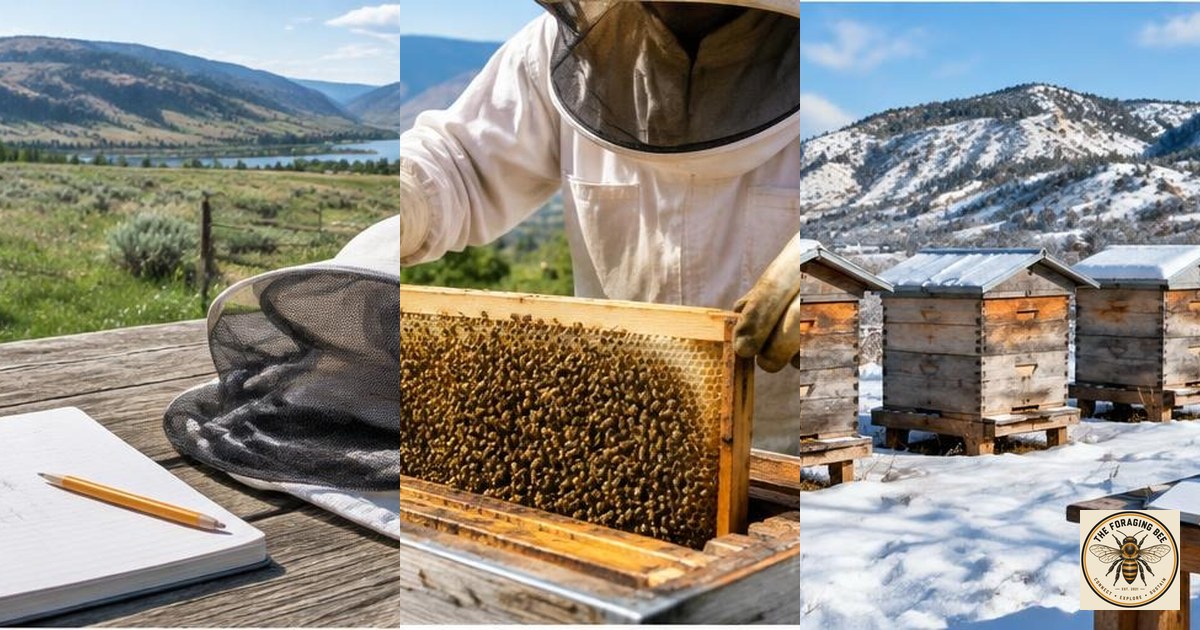
Entry 1 of 12
Begin with curiosity, a local mentor and a realistic plan. Your first season is about building a colony that can enter winter well, not filling jars.
Read entry 1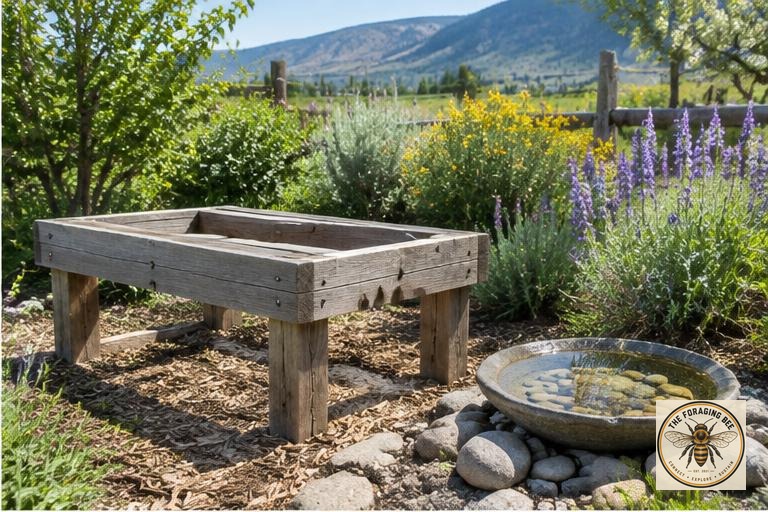
Entry 2 of 12
Plan a sheltered, accessible bee yard with water, useful forage and room for neighbours. Check local rules before the bees arrive.
Read entry 2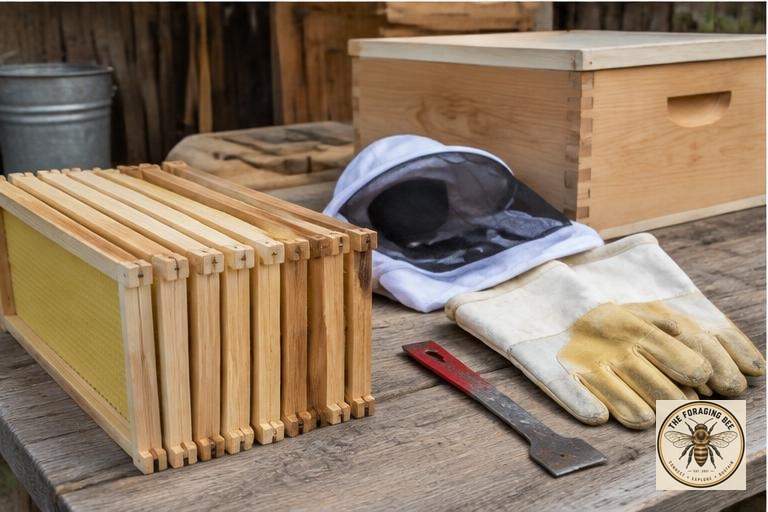
Entry 3 of 12
Get compatible boxes and frames ready before pickup. Learn safe handling, protect natural comb and buy what the bees need—not every gadget.
Read entry 3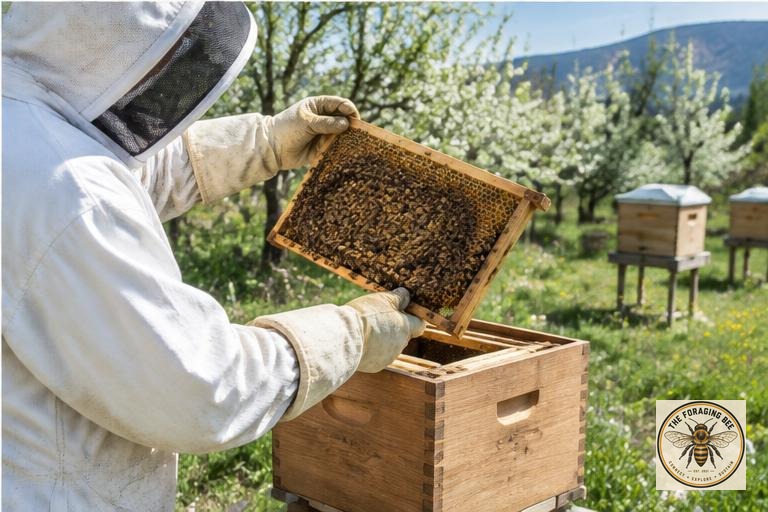
Entry 4 of 12
Ask a local beekeeper for a healthy, established colony with a laying queen and a documented history. Good genetics need evidence, not just a label.
Read entry 4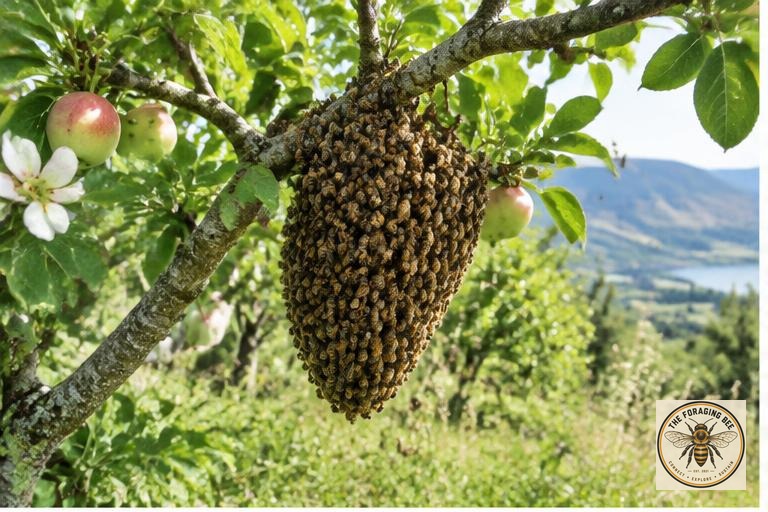
Entry 5 of 12
A caught swarm can become your first colony, but its queen, health and ancestry may be unknown. Plan skilled collection and careful assessment.
Read entry 5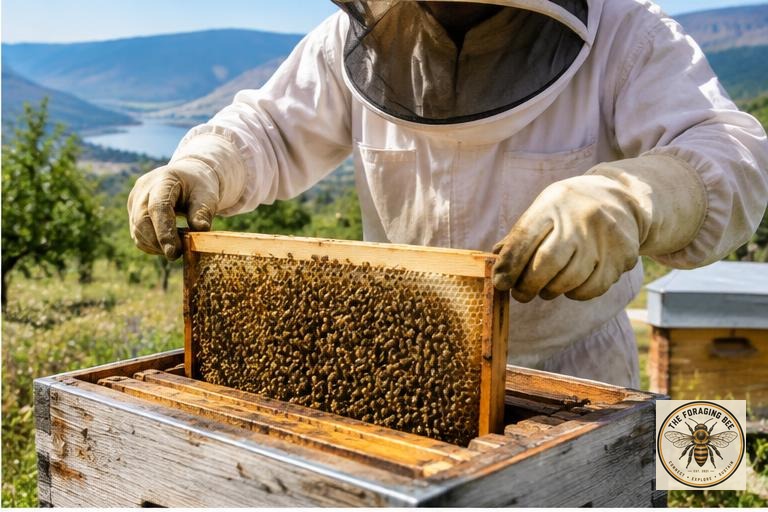
Entry 6 of 12
Prepare pickup, safe transport and a gentle handover. Keep the brood nest together and arrange the first purposeful check with your mentor.
Read entry 6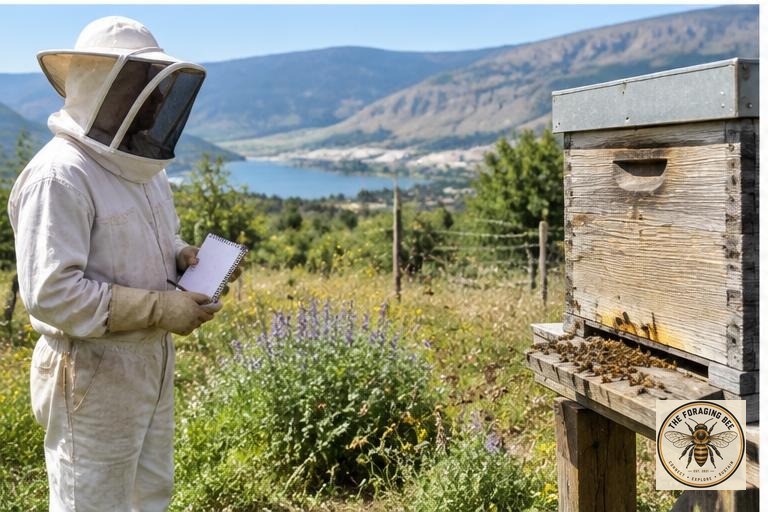
Entry 7 of 12
Read the entrance first, ask a clear question and record what changes. Use the five-area audit as evidence—not a reason to open everything.
Read entry 7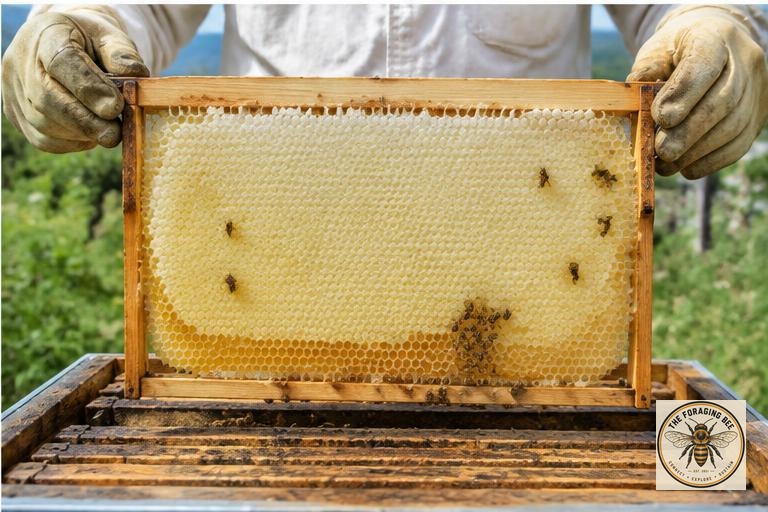
Entry 8 of 12
Match space to bees, brood and forage. Give a new colony room when the evidence supports it, without rushing a harvest or another split.
Read entry 8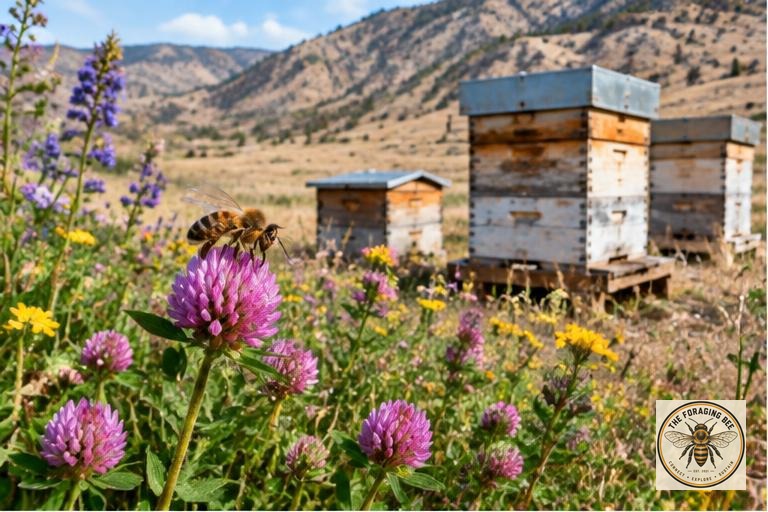
Entry 9 of 12
Summer sunshine can hide a shortage. Track honey, pollen and mite evidence before dearth and winter-bee development make a small problem larger.
Read entry 9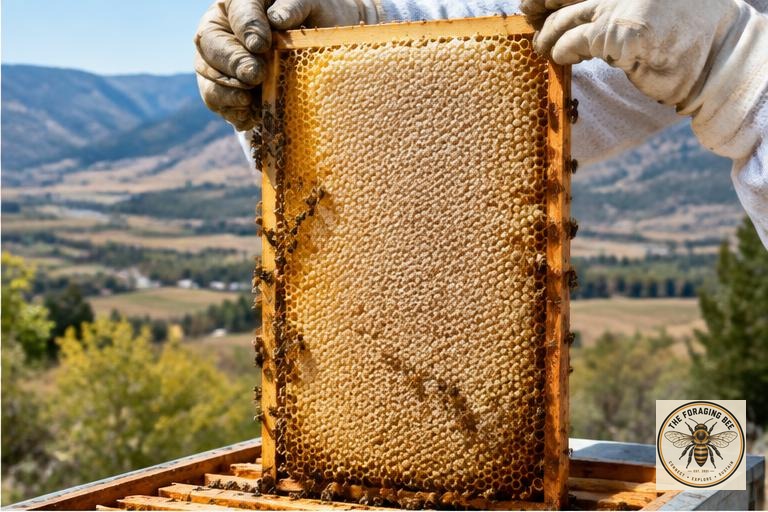
Entry 10 of 12
Decide what the colony must keep before considering what you can take. Plan reachable reserves for your site and accept a no-harvest first season.
Read entry 10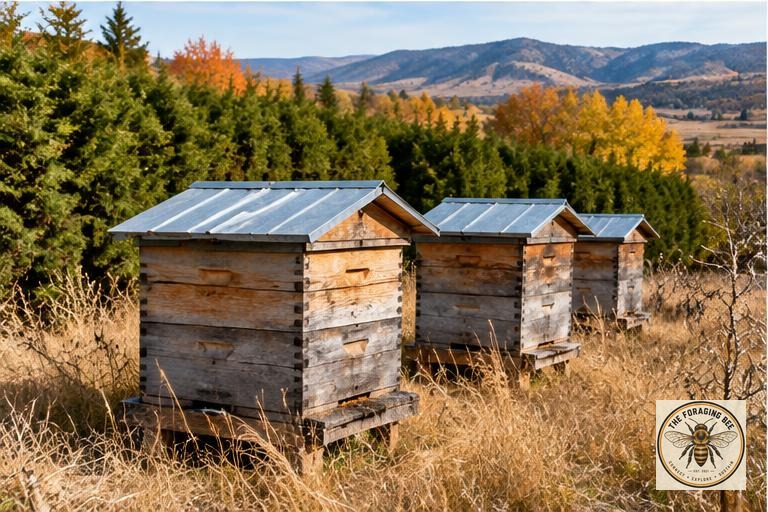
Entry 11 of 12
Bring stores, health, population, wind protection and moisture management together. Adapt the setup to your colony and actual winter site.
Read entry 11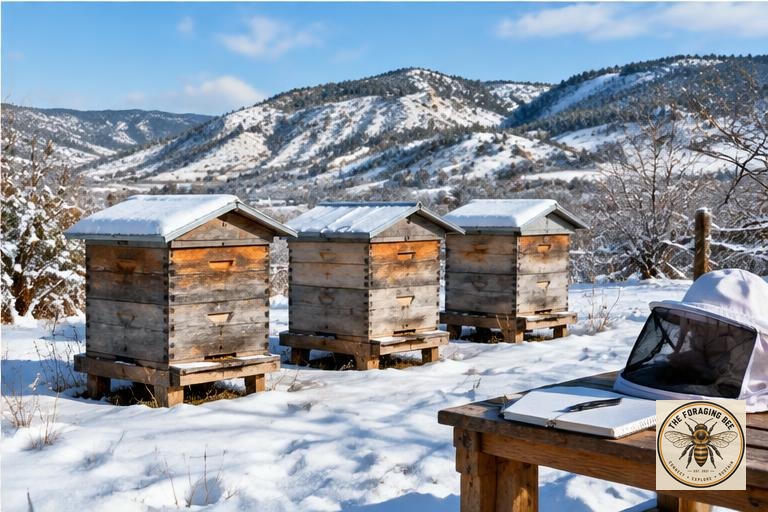
Entry 12 of 12
Keep winter checks purposeful, respond to food risk and review the first season honestly. Spring recovery—not a single sunny flight—completes the story.
Read entry 12